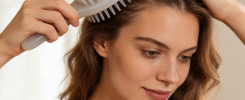
Seborrheic alopecia is a relatively common type of hair loss. Patients with this condition usually have a lot of dandruff and very oily hair, which has a significant impact on their appearance and causes many inconveniences to their daily life and work. Therefore, it is essential to seek treatment promptly.
Classification of seborrheic alopecia:
(1) Acute seborrheic alopecia
Symptoms include: increased scalp oiliness, itching, dandruff or papules, hair falling out in clumps or even all of it in a short period of time, small papules on the scalp, which mostly occur during puberty and are more common in males. It is prone to recurrence after treatment.
(2) Chronic seborrheic alopecia
Symptoms include: oily and shiny scalp, resembling oil, with a large amount of grayish-white dandruff, dry and dull hair, severe itching, and in men, hair loss gradually from the sides of the forehead and the top of the head, eventually leading to baldness after several years or more than a decade, but rarely resulting in complete baldness. This condition is more common in young and middle-aged men and women, especially men, while women typically experience sparse and dry hair, with hair falling out slowly and in a scattered manner, exposing the scalp, but rarely developing into baldness.
What factors cause seborrheic alopecia?
1. Emotions: Increased mental stress can cause the brain to become tense, stimulating nerves and various brain tissues, leading to an imbalance in metabolism and physiological functions. As a result, oil can only be excreted from the scalp, which is also one of the main factors causing hair loss.
2. Heredity: Especially in men, the genetic factors are significant, and they are directly influenced by the previous generation.
3. Hormones: The balance of hormones in the body can also affect hair health. An increase in hormones can have a visible inhibitory effect on the scalp, so normal hair growth only occurs when hormone secretion is balanced.
4. Age: As people age, fat accumulates and sebum secretion on the scalp increases. If this doesn’t improve over time, seborrheic alopecia is very likely to occur.
So, what’s the best treatment for seborrheic alopecia?
1. Proper hair care: Careful hair care can also prevent seborrheic alopecia. Hair is more fragile when it is wet, so you should not comb it vigorously. Also, the current trend of dyeing, perming, and curling hair can damage the hair and easily lead to hair loss.
2. A balanced diet: Vitamin deficiency is one of the factors contributing to seborrheic alopecia. In addition, protein deficiency is also a significant factor affecting seborrheic alopecia. An unbalanced diet can cause hair to become increasingly thinner, hindering healthy hair growth. Therefore, a balanced diet contributes to both healthy hair growth and overall health.
3. Reduce stress: Excessive stress can trigger various physical illnesses, including seborrheic alopecia, which causes hair to remain in a dormant phase for several months. Therefore, to prevent hair loss, avoid excessive stress, exercise regularly, and develop good lifestyle habits.