Face masks are convenient and easy to use, making them a favorite beauty product for many women. Different face masks have different effects; common types include cleansing masks, repairing masks, whitening masks, and hydrating masks. So, what precautions should be taken when using these masks? What are some things to keep in mind when applying a face mask? Let’s find out together.
Try these face masks in summer
Deep cleansing masks: In summer, skin tends to produce more oil and sweat, and exposure to polluted air can easily clog pores due to the mixture of sweat, oil, and pollutants. Therefore, we need to give our skin a deep clean. Deep cleansing masks, whether sheet masks or clay masks, are both suitable. However, I personally feel that clay masks have a stronger cleansing ability and better results. If you don’t have extremely sensitive or very dry skin, you can choose a clay mask.
Firming and Repairing Mask: Summer skin tends to be oily, and excess oil can enlarge pores. Acne is especially common in summer, and pores on skin that has experienced acne will also be enlarged. Therefore, a key focus of summer skincare is shrinking pores. This is particularly important after deep cleansing. Therefore, using a firming and repairing mask is a good choice for summer.
Soothing and calming face masks: Sun exposure is an unavoidable factor in summer. Whether or not we use sunscreen, we all get some sun exposure. Especially if we spend a long time outdoors, we often get sunburned and red. In these situations, an after-sun repair mask is essential. Therefore, we should use more soothing and calming after-sun repair masks in the summer.
Hydrating masks: Don’t think that you don’t need to hydrate your skin just because you need to control oil in the summer. The oilier your skin is, the more hydration it needs. Excessive oil production is actually a sign of oily skin on the surface but dry skin underneath. Therefore, you should also hydrate your skin regularly in the summer, and you can choose some refreshing hydrating masks.
Whitening face masks: Whitening is a timeless skincare topic in summer. If you don’t want your skin to suddenly become a shade darker by the end of the summer, then start diligently working on whitening!
What should you pay attention to when applying a face mask?
We’ve discussed the different effects of various face masks, but besides choosing the right mask, applying it correctly is crucial for maximizing its effectiveness; otherwise, you’re just wasting your time.
1. Keeping your face moisturized is key.
Moist skin absorbs moisture and nutrients better, so after cleansing your face, don’t wait until all the water evaporates before applying a face mask. If you have dry skin, you can pat on toner before applying the mask to keep it moist. This will make it easier for the skin to absorb the moisture and essence from the mask.
2. Superior heating effect
In the cold winter, the temperature is low, pores are in a contracted state, and the body’s metabolism slows down. If you heat the face mask with hot water or steam your face with water vapor before applying the mask, it will open up the facial pores, promote blood circulation, and help the mask absorb moisture and essence.
3. The frequency and duration should be controlled.
Face masks generally have a recommended treatment course. Using them every day can be too much for your skin, and the effects may be diminished. Additionally, winter weather is dry, and moisture evaporates easily. It’s generally advisable to leave a face mask on for 15-20 minutes. Leaving it on for too long not only fails to moisturize but can actually cause moisture to evaporate from your face.
4. Face cream is essential at the end.
Right after applying a face mask, the moisture and essence haven’t been fully absorbed by the skin. If your face is directly exposed to the air, the moisture and essence will evaporate quickly. Therefore, you should apply face cream immediately after applying a face mask. Face cream can lock in the moisture and essence that your face has just absorbed, making the moisturizing effect last longer.
Four Homemade Whitening Face Masks
Tofu face mask
If you have leftover tofu pieces from cooking, why not try using them to make a face mask? Tofu has excellent moisturizing and whitening properties; with regular use, you’ll see your skin become whiter and smoother after a month.
Ingredients: Tofu (as needed)
Instructions: Wash your hands thoroughly and place a cube of tofu in your palm. Gently knead the tofu, then apply the tofu paste to your face and massage gently.
Flour Mask
Flour masks can cleanse and whiten the skin, help shrink pores, and remove blemishes and firm the skin.
Ingredients: 3 tablespoons flour, 2 tablespoons milk
Instructions: Mix flour and milk together until smooth. Use a small brush to apply the mask mixture evenly to your face. Leave it on for about 20 minutes, then wash it off once it dries.
Papaya face mask
Papaya has powerful skin-beautifying effects, including whitening and softening the skin, oxygenating the skin, and fading blemishes. Gently rubbing your skin with papaya slices can also effectively exfoliate.
Ingredients: Papaya
Instructions: Mash the papaya into a paste, apply it directly to your face, and then wash it off.
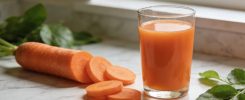
Carrot face mask
Carrots are rich in vitamin A. Carrot masks can effectively improve rough and dull skin. Apply them once in the morning and once in the evening. After 10 days of continuous use, your face will become much whiter and smoother.
Ingredients: 1 carrot
Instructions: Peel the carrot and juice it. Apply the carrot juice evenly to your face and wash it off after 10-20 minutes.